US Issues Worldwide Travel Alert Over Escalating Ebola Outbreak in Central Africa

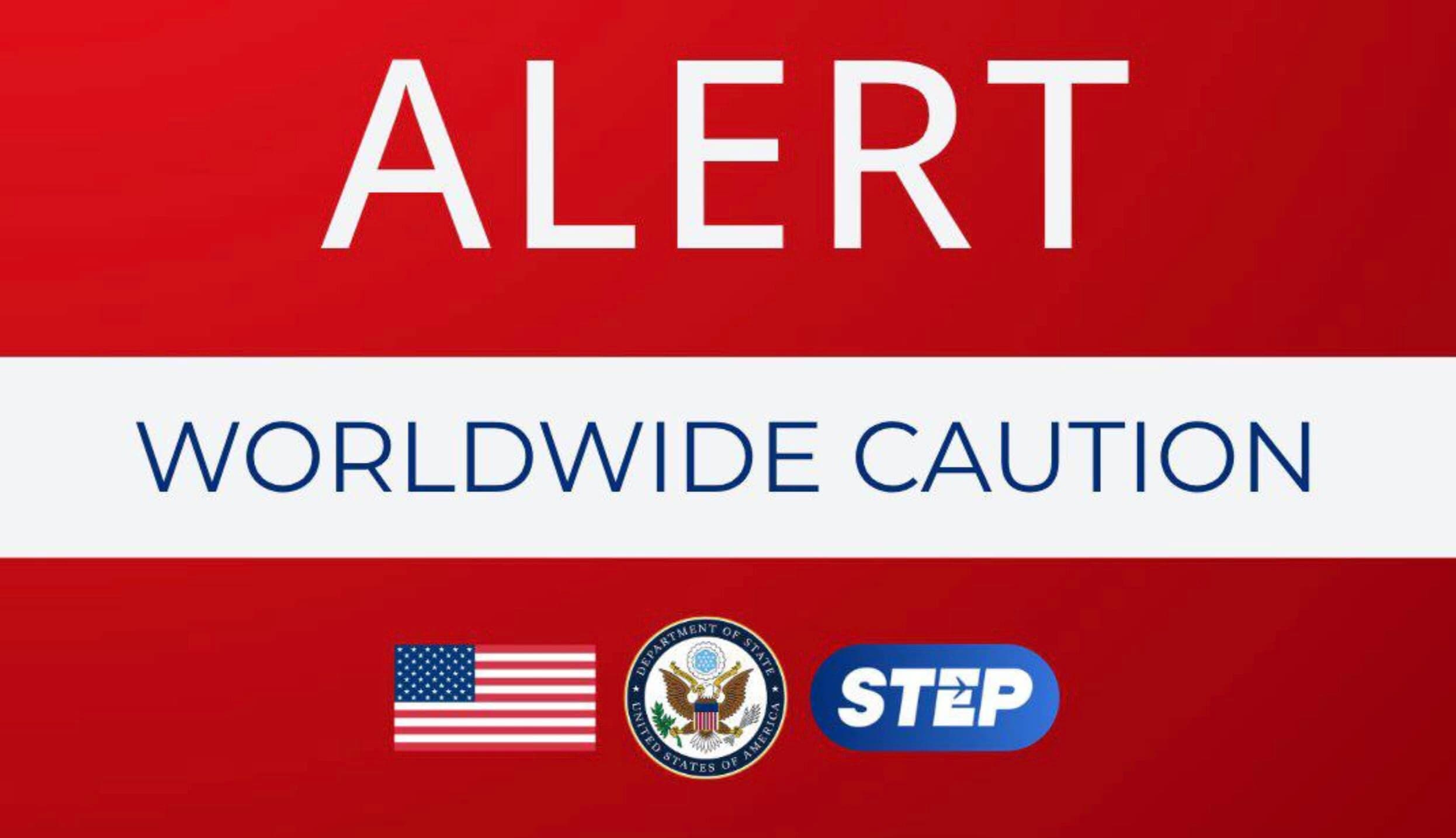
The United States has introduced enhanced entry screening measures for travelers arriving from parts of Central Africa amid growing concerns over the expanding Ebola outbreak affecting the Democratic Republic of the Congo and neighboring regions.
United States Announces New Ebola Travel Measures
On May 22, 2026, the U.S. State Department and federal health authorities issued a Worldwide Travel Alert tied to the escalating Ebola outbreak in Central Africa.
Under the new measures, effective May 21, all American citizens and lawful permanent residents entering the United States after recent travel to the Democratic Republic of the Congo (DRC), Uganda, or South Sudan within the previous 21 days must reenter through Washington Dulles International Airport.
Officials stated that the temporary routing requirement is intended to support enhanced health screening and containment procedures.
Enhanced Screening Procedures at Washington Dulles
Travelers arriving from affected regions will undergo additional public health screening upon arrival in the United States.
Federal authorities indicated that screening measures may include:
- Health questionnaires
- Temperature monitoring
- Travel history verification
- Symptom assessments
- Follow-up monitoring instructions
Officials warned that travelers may experience delays, itinerary changes, rerouting, or flight cancellations linked to evolving outbreak conditions.
Ebola Outbreak Expands Across Central Africa
The alert comes amid growing concern surrounding Ebola cases reported in parts of the Democratic Republic of the Congo and neighboring countries.
Health authorities continue monitoring transmission risks as medical teams attempt to contain the outbreak through isolation protocols, contact tracing, and emergency vaccination campaigns.
The outbreak has raised international concern because of regional population movement, porous borders, and existing humanitarian instability in affected areas.
Countries Named in the Alert
The travel measures specifically apply to individuals who have recently been present in:
- Democratic Republic of the Congo
- Uganda
- South Sudan
Officials emphasized that the restrictions are precautionary public health measures designed to reduce the risk of imported Ebola cases.
Airlines and Travelers Warned of Disruptions
The State Department advised Americans traveling within or near affected regions to monitor airline updates closely.
Flight cancellations, route changes, medical checks, and airport screening operations could affect both commercial and humanitarian travel.
Travelers were urged to maintain flexible travel plans and prepare for rapidly changing entry requirements.
Ebola Remains One of the World’s Deadliest Diseases
Ebola virus disease is a severe hemorrhagic fever capable of causing fatal outbreaks with high mortality rates.
The virus spreads through direct contact with infected bodily fluids, contaminated surfaces, or infected animals.
Symptoms may include:
- Fever
- Severe fatigue
- Vomiting
- Diarrhea
- Internal bleeding
- Organ failure in severe cases
Rapid identification and isolation of infected individuals remain critical to preventing wider spread.
Analysis: International Health Security Concerns Growing
The U.S. decision to centralize entry screening reflects rising concern among global health agencies regarding cross-border disease transmission.
Air travel can significantly increase the speed at which infectious diseases move between continents, especially during outbreaks in regions with limited healthcare infrastructure.
Public health experts note that centralized screening allows authorities to concentrate medical personnel, equipment, and monitoring resources at a single entry point.
The situation also highlights the continuing challenge of balancing international travel with outbreak containment during global health emergencies.
Public Health Preparedness Measures
U.S. authorities stated that hospitals, airports, and federal agencies are coordinating closely to monitor developments in Central Africa.
Health officials encouraged travelers returning from affected regions to immediately report symptoms and comply fully with monitoring procedures.
The Centers for Disease Control and Prevention (CDC) continues coordinating with international partners and African health agencies regarding outbreak response efforts.
Outlook
As of May 22, 2026, enhanced screening measures remain active for travelers arriving from affected Central African countries.
Authorities warned that additional travel restrictions or expanded health measures could be introduced if the Ebola outbreak worsens.
International health agencies continue monitoring transmission trends while emergency response operations remain ongoing in the region.
Source: U.S. State Department, CDC, WHO, Reuters, Associated Press