US-Iran Ceasefire Talks Begin in Islamabad Amid Regional Tensions and Mutual Mistrust

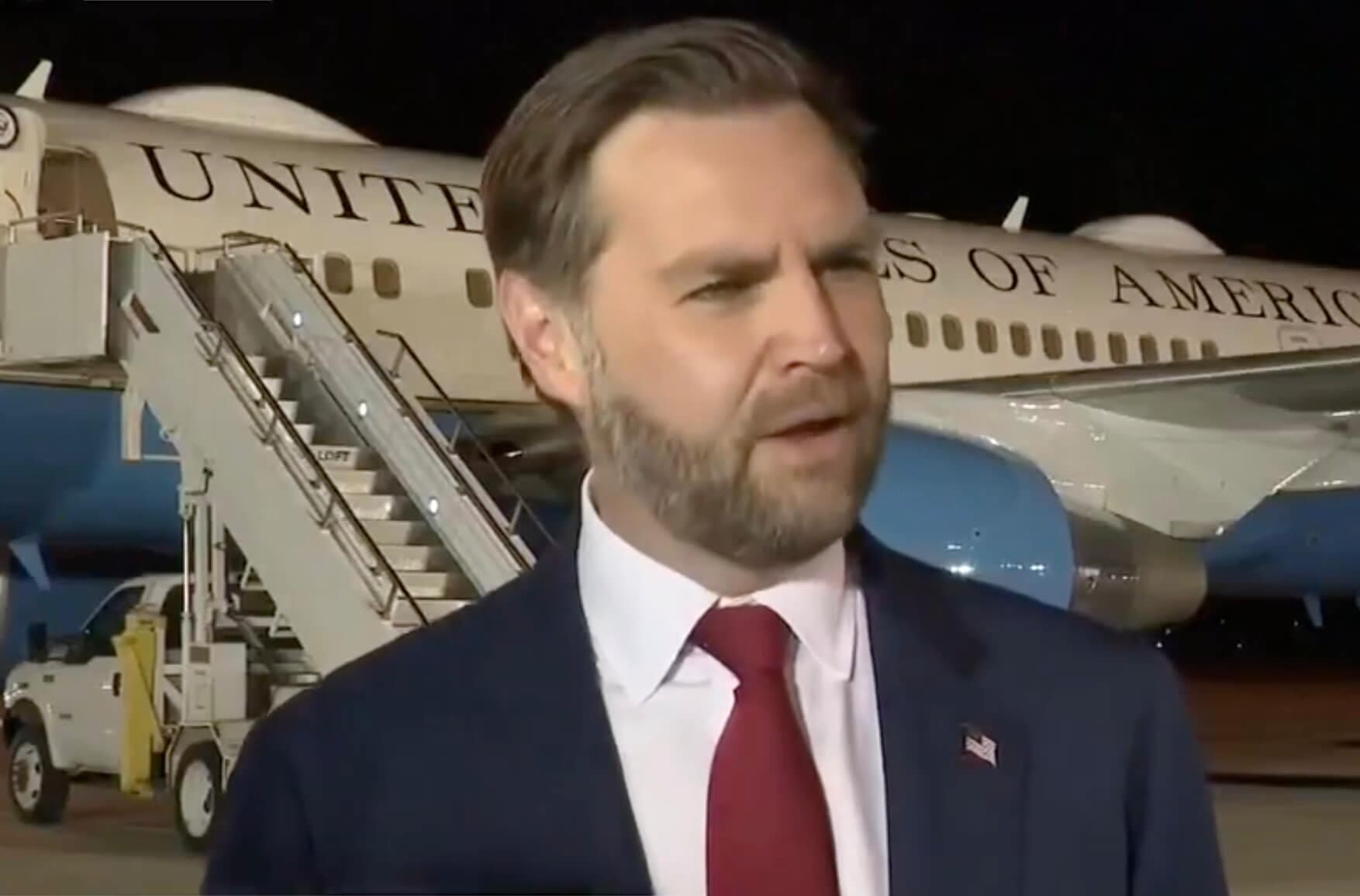
US Vice President JD Vance leads negotiations with Iran in Islamabad beginning April 11, 2026 to transform a fragile ceasefire into lasting agreement amid Israeli strikes on Lebanon and mutual mistrust over the deal's scope.
US Vice President JD Vance is set to lead a delegation to Islamabad, Pakistan for direct negotiations with Iranian officials beginning April 11, 2026, in an attempt to transform a fragile two-week ceasefire into a lasting agreement amid mounting regional tensions and deep mistrust between the parties.
Key developments
The talks follow a ceasefire agreement announced by President Donald Trump on April 7, 2026, brokered by Pakistan, which paused over a month of escalating violence between the United States and Iran. The ceasefire includes provisions for the reopening of the Strait of Hormuz to commercial shipping.
Vance will be joined by special envoy Steve Witkoff and Jared Kushner for the in-person negotiations. The White House has described the ceasefire as creating an "opening" for long-lasting peace, while asserting that primary military goals including the destruction of Iran's navy, drone and ballistic missile programmes were achieved.
However, the negotiations begin amid significant challenges. Israel launched massive strikes on Lebanon on April 9, 2026 resulting in at least 254 killed and 1,165 injured, despite the US-Iran ceasefire. Iran has publicly warned ships attempting to pass through the Strait of Hormuz without permission that they would be "destroyed," creating uncertainty over the vital shipping lane's status.
Iran claims three key clauses were violated before talks even began: ceasefire violations in Lebanon via Israeli strikes, an "intruding drone" in Iranian airspace, and denial of Iran's right to uranium enrichment. Tehran demands Lebanon's inclusion in the ceasefire agreement, while the United States maintains the deal covers only US-Iran relations and expects Israel to show restraint.
Despite Iranian warnings, White House Press Secretary Karoline Leavitt stated that Iran agreed to open the Strait of Hormuz, with Trump expecting it to be opened "quickly and safely." The Strait remains a critical chokepoint through which approximately one-fifth of global oil consumption passes.
Regional analysis
The negotiations take place against a backdrop of competing regional priorities that threaten to undermine the ceasefire framework. Gulf nations express concern that the Trump administration might concede Iranian influence over the Strait of Hormuz in exchange for a fragile political victory, while fearing the alternative scenario of a hardened Iranian leadership maintaining control over the vital oil chokepoint.
France has urged full respect of the ceasefire "across all areas of confrontation," with Foreign Minister Jean Noel Barrot calling for the agreement to include Lebanon and condemning Israel's "massive strikes" on Lebanese territory.
Israeli Prime Minister Benjamin Netanyahu faces domestic pressure to deliver tangible results from the conflict, with elections expected later this year. His government has criticized the ceasefire for failing to achieve unmet war goals including regime change in Iran, dismantling its missile program, and seizing enriched uranium.
The humanitarian situation in Lebanon continues to deteriorate, with hospitals overwhelmed by casualties from the Israeli strikes and rescue teams working through the night to assist displaced families. Hezbollah has demanded Lebanon's inclusion in the ceasefire, warning that ongoing attacks undermine the entire agreement.
The talks in Islamabad represent not just a bilateral US-Iran negotiation but a test of whether great power agreements can survive when regional allies pursue conflicting objectives and humanitarian crises unfold alongside diplomatic processes.
Expert interpretation
The current negotiating dynamic reflects a recurring pattern in Trump's foreign policy approach: prioritizing short-term political optics over sustainable security arrangements. According to Charles Kupchan, senior fellow at the Council on Foreign Relations, Trump launched the Iran conflict "assuming it would be quick" and relied on a "tight inner circle" hired for loyalty rather than expertise.
This inner circle proved "reluctant to challenge him, to push back, to speak up," exemplifying what Kupchan describes as Trump's populist approach: "I know better, I'm not gonna listen to the experts" as part of the "Trump brand." While Trump "stood up to the establishment," this approach has "gotten him into a lot of trouble" by sidelining critical expertise in favor of political loyalty.
Kupchan's analysis suggests the ceasefire fragility stems from the same dynamic - favoring immediate de-escalation as a political win over building durable peace foundations. The talks face the fundamental challenge of reconciling conflicting narratives: the US views the ceasefire as covering bilateral relations with expectations of Israeli restraint, while Iran sees it as a comprehensive regional agreement requiring concrete concessions on multiple fronts.
The situation is further complicated by information warfare and competing claims about what was actually agreed upon, with both sides claiming victory in the initial ceasefire announcement while privately holding different interpretations of its scope and implications.
Future outlook
The coming days in Islamabad will determine whether the ceasefire can serve as a foundation for lasting peace or merely delay inevitable renewed conflict. Success will require negotiators to look beyond immediate tactical gains and address the strategic mistrust that has defined US-Iran relations for decades.
If the talks fail, the region faces renewed escalation with potentially devastating consequences. Iran has maintained a defensive posture throughout the truce, emphasizing that "our hands remain upon the trigger" and violations will be met with "full force." Israeli operations in Lebanon and the West Bank continue, with Netanyahu facing pressure to deliver tangible results before facing electoral accountability.
For Lebanon, the humanitarian crisis deepens as medical systems remain overwhelmed and displaced populations struggle to access basic needs. The international community faces increasing pressure to intervene, not just to stop the immediate violence but to address the underlying conflicts that have made the region a tinderbox for broader confrontation.
The stakes extend far beyond the immediate battlefield. The outcome will shape US credibility in Middle East diplomacy, Iran's regional standing and nuclear ambitions, and Israel's security calculations for years to come. Whether this diplomatic pause becomes a stepping stone toward regional stability or merely a prelude to greater conflict depends on whether negotiators can overcome the lethal reality on the ground and the deep-seated mistrust that has brought the parties to this precarious moment.