Surge in US Military Airlift to Middle East Raises Concerns of Renewed Iran Conflict

A sharp increase in US military airlift operations into the Middle East has raised concerns among analysts that a new phase of conflict with Iran could be imminent.
Surge in US Military Airlift Activity
On April 26–27, 2026, open-source monitoring and defense reporting indicated a significant increase in US Air Force airlift operations into the Middle East, with heightened activity directed toward bases in the United Arab Emirates and Qatar.
According to defense reporting, the airlift has been moving personnel, equipment, munitions, and logistical supplies at an accelerated pace. Analysts note that the scale and intensity of the operation exceed routine logistical rotations.
The buildup forms part of a broader US military reinforcement effort in the region that has been ongoing since early 2026.
Context: Ongoing Iran Conflict and Ceasefire Fragility
The airlift surge comes amid continued instability following the 2026 Iran war, which began in late February with US and Israeli strikes on Iranian targets. Although a ceasefire has been declared in parts of the region, tensions remain high, with ongoing maritime confrontations and intermittent strikes.
Recent developments include continued US naval operations enforcing a blockade of Iranian ports and increased military activity around the Strait of Hormuz, a critical global energy transit route.
Reports from international media indicate that violence and military pressure have persisted despite diplomatic efforts, with no comprehensive political resolution achieved.
Strategic Interpretation: Pre-Positioning of Forces
Military analysts describe the current airlift pattern as “pre-positioning,” a phase typically associated with preparing for potential escalation rather than routine sustainment operations.
Such deployments are designed to ensure rapid operational readiness by placing personnel and equipment within immediate reach of potential conflict zones.
Historically, similar surges in airlift activity have preceded major military operations, particularly when combined with increased naval presence and forward deployment of air assets.
Regional Military Posture Expands
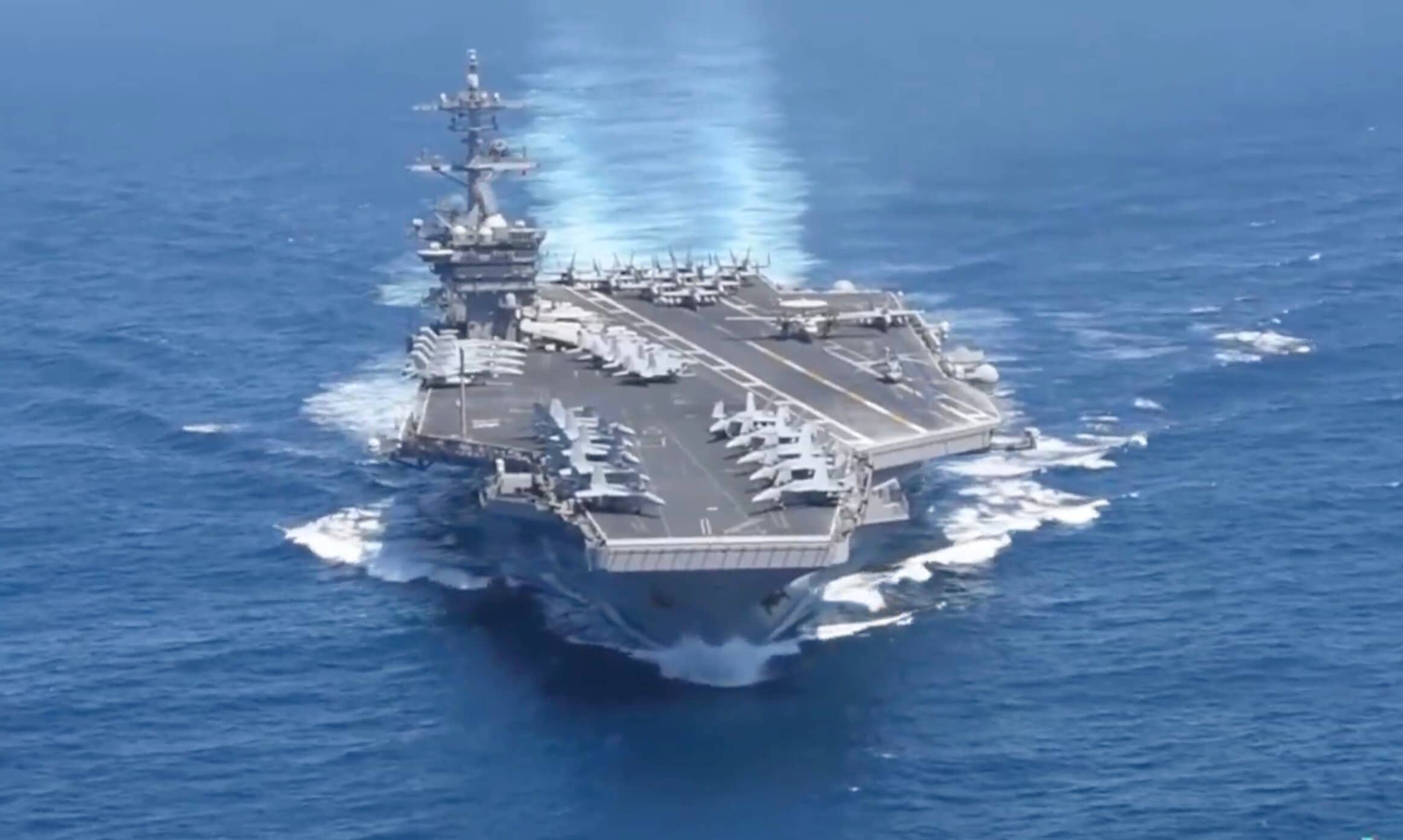
The United States has already significantly expanded its military footprint in the region during 2026. Earlier deployments included additional aircraft carriers, fighter jets, and refueling tankers positioned within operational range of Iran.
Several bases across the Gulf—including in Qatar, the UAE, and Bahrain—have been involved in recent operations and have previously been targeted by Iranian missile and drone strikes earlier in the conflict.
This context adds to concerns that renewed escalation could expose regional infrastructure and military assets to further attacks.
Analysis: Indicators of Potential Escalation
While no official announcement has been made regarding new military action, the combination of factors—sustained airlift surge, continued naval enforcement measures, and unresolved diplomatic tensions—suggests an elevated risk environment.
However, it is important to note that large-scale logistical operations can also serve defensive purposes, including reinforcing deterrence, replenishing depleted resources, or preparing for contingency scenarios without immediate offensive intent.
At present, there is no confirmed evidence of an imminent strike or operation. Assessments regarding escalation remain based on patterns and historical precedents rather than verified operational plans.
Broader Implications for Regional Security
Any renewed phase of conflict involving Iran would likely have significant regional and global consequences. Previous phases of the conflict have already disrupted energy markets, aviation routes, and civilian safety across multiple countries.
Gulf states, including the UAE and Qatar, have previously experienced missile and drone threats, highlighting their exposure in the event of escalation.
The continued concentration of military assets in the region increases both deterrence capability and the risk of rapid escalation if hostilities resume.
Outlook
As of April 27, 2026, the situation remains uncertain. The increased US airlift activity indicates a heightened state of readiness, but there is no confirmed timeline or official declaration of renewed military operations.
Diplomatic efforts remain ongoing, though progress has been limited. The coming days will be critical in determining whether the current posture leads to de-escalation or a new phase of conflict.
Analysts continue to monitor military movements and regional developments closely for further indicators of escalation.
Source: Reuters, AP News, regional defense reporting