Trump Announces US Naval Blockade of Strait of Hormuz After Failed Iran Peace Talks

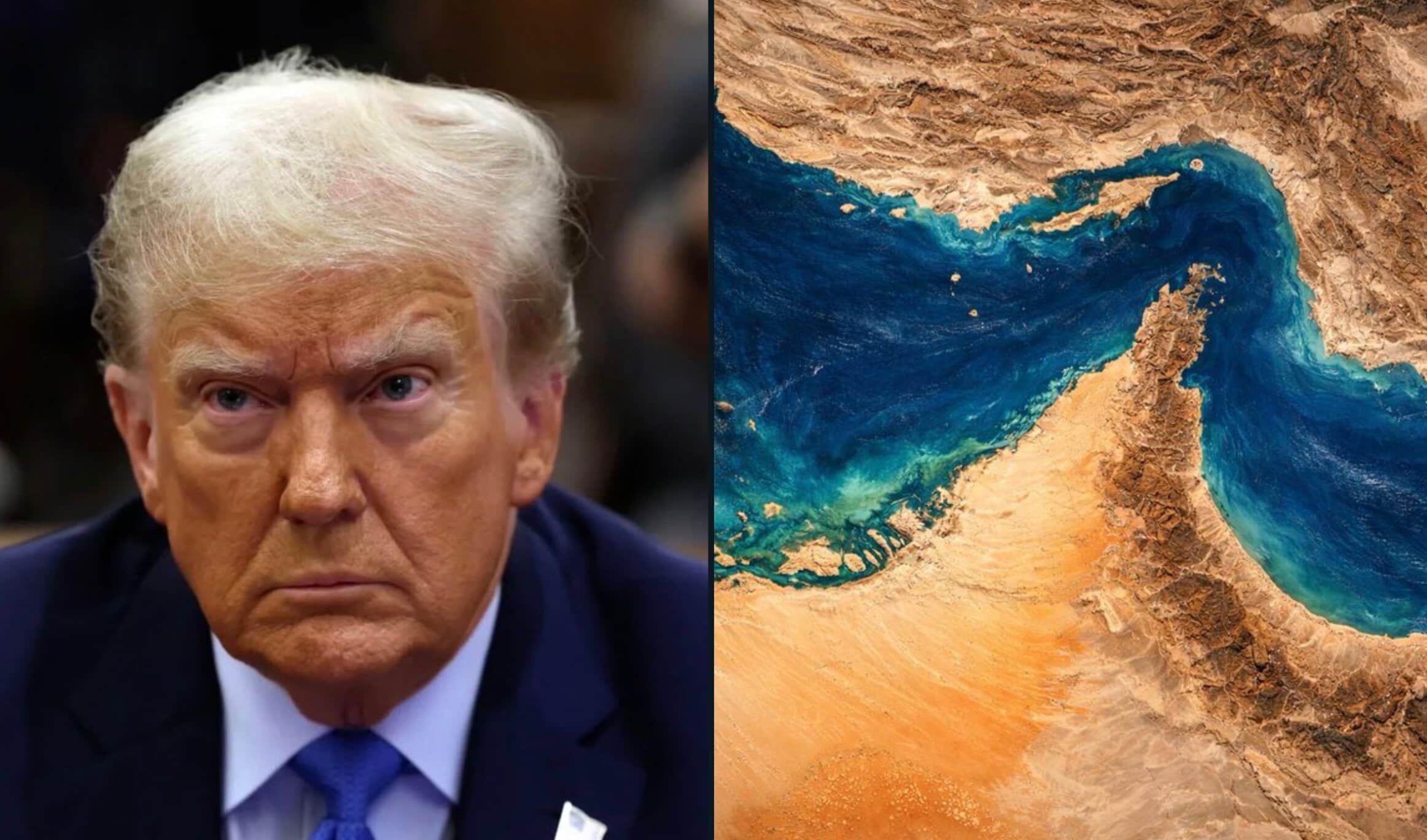
President Donald Trump announced that the United States Navy will begin an immediate blockade of the Strait of Hormuz following the failure of peace negotiations with Iran. The move escalates regional tensions as both US and Iranian forces now restrict maritime traffic through the critical oil chokepoint.
Blockade Announcement Details
Trump declared via social media: "Effective immediately, the United States Navy, the Finest in the World, will begin the process of BLOCKADING any and all Ships trying to enter, or leave, the Strait of Hormuz." The announcement came after marathon peace talks between top Iranian and American leaders in Pakistan ended without a breakthrough.
The blockade represents a significant escalation in the ongoing Iran-US conflict, which has already seen Iran effectively restrict traffic through the strait since February 28, 2026, despite a tentative ceasefire agreement.
Context of Failed Peace Talks
The US-Iran negotiations in Islamabad, which involved Vice President JD Vance and senior Iranian officials, sought to make a fragile truce permanent. However, the talks failed to reach an agreement, prompting Trump's blockade announcement.
Prior to the blockade, Iran had already been restricting maritime traffic through the Strait of Hormuz, charging tolls exceeding $1 million per ship and effectively blockading the waterway despite the April 8 ceasefire.
Regional and Global Implications
The dual blockade (US and Iranian restrictions) creates unprecedented pressure on global energy markets:
- Oil Supply Disruption: Approximately 20-30% of global oil supplies transit the Strait of Hormuz
- European Impact: European airports have already warned of potential systemic jet fuel shortages within three weeks if the strait remains closed
- Shipping Industry: Maritime insurance costs are expected to spike as vessels face dual blockades
- Regional Allies: US allies in the region, including Saudi Arabia and UAE, face complex navigational challenges
Military and Strategic Considerations
The US Navy's blockade operation involves:
- Deployment of warships to monitor and intercept vessels attempting to transit the strait
- Potential use of advanced surveillance and interception technologies
- Coordination with regional partners while avoiding direct confrontation with Iranian forces
- Preparation for potential escalation if Iran responds militarily to the blockade
Humanitarian and Economic Concerns
Analysts warn that the dual blockade could trigger:
- Global Energy Crisis: Further disruption to already strained energy markets
- Supply Chain Disruptions: Delays in goods moving between Asia, Europe, and Africa
- Humanitarian Impact: Potential effects on food and medicine shipments to region
- Economic Sanctions Enforcement: The blockade serves as a physical manifestation of existing financial sanctions
Diplomatic Outlook
The blockade significantly complicates diplomatic efforts:
- Reduced Negotiation Leverage: Physical blockade limits diplomatic flexibility
- International Response: Likely to draw criticism from nations dependent on Hormuz transit
- Regional Allies: Countries like Japan, China, and India (major importers of Hormuz-transited oil) will face difficult choices
- UN Involvement: Potential for emergency Security Council sessions regarding freedom of navigation
As of April 12, 2026, the situation remains fluid with both US and Iranian forces implementing restrictions on maritime traffic through the Strait of Hormuz, raising serious concerns about global energy security and the potential for further escalation in the already volatile region.