No Way Out? A Traveler’s Guide to Exiting Active Conflict Zones in the Middle East

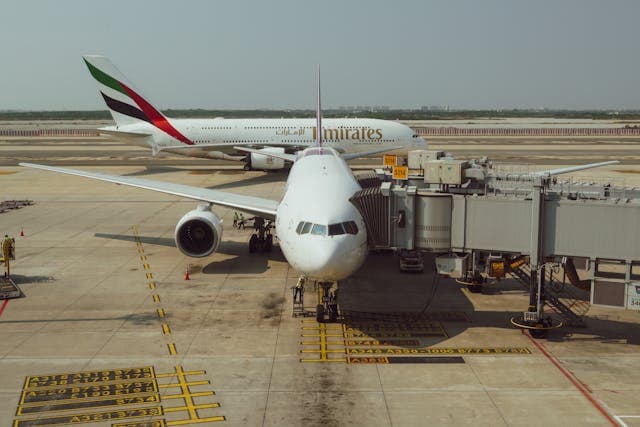
As the US-Israel war on Iran intensifies, airspace closures and border shutdowns have stranded thousands of travelers. This advisory details the current status of flights, land crossings, and rail networks in Iran, Israel, Lebanon, and surrounding Gulf states, offering critical guidance for nomads and tourists attempting to evacuate.
Current Air Travel Status
Iran: All commercial flights into and out of Imam Khomeini International Airport (IKA) in Tehran have been suspended as of March 2026 due to the ongoing war. Reports indicate repeated strikes on Mehrabad International Airport, further degrading any remaining domestic or regional connectivity. Travelers in Iran are currently stranded with no viable commercial air exit.
Israel: Ben Gurion Airport (TLV) in Tel Aviv remains technically open but operates under severe constraints. Frequent missile alerts and Iranian ballistic missile threats lead to intermittent closures and massive cancellations. Major carriers including British Airways and Singapore Airlines have suspended services through May 31, 2026. While some regional flights may operate, the risk of disruption is extreme.
Lebanon: Beirut-Rafic Hariri International Airport (BEY) has faced repeated closures due to Israeli airstrikes on surrounding infrastructure and Hezbollah rocket fire. Most international carriers have suspended operations. Travelers are advised that air evacuation from Lebanon is currently unreliable and highly dangerous.
Gulf States (UAE, Qatar, Saudi Arabia, Kuwait): Major hubs like Dubai (DXB) and Doha (DOH) remain open but are experiencing significant disruptions. Airspace closures during active Iranian drone and missile swarms are common. British Airways and other Western carriers have canceled flights to Tel Aviv, Amman, Bahrain, and Dubai through May 31. Regional carriers like Etihad and Emirates are operating but with frequent last-minute cancellations.
Land Borders and Crossings
Jordan: The Jordanian government has stated that border crossings are currently operating at designated times. However, the US State Department and UK FCDO have issued "Do Not Travel" or "Reconsider Your Need to Travel" advisories for Jordan due to the risk of regional escalation. Land crossings into Syria and Iraq are closed or extremely dangerous due to active conflict and proxy militia activity.
Lebanon-Syria Border: While technically open in some areas, the security situation is volatile. Israeli airstrikes frequently target supply routes and border infrastructure. Travel by road from Lebanon into Syria is strongly discouraged due to the risk of being caught in crossfire or detained by irregular forces.
Israel-Jordan/Egypt: The Allenby Bridge (Jordan) and Taba/Eilat (Egypt) crossings are subject to immediate closure during heightened military alert levels. While they may be open for limited diplomatic or emergency traffic, commercial tourist travel is effectively halted.
Rail and Bus Networks
Iran: The Israeli military has explicitly advised Iranians not to travel by train, citing imminent threats to rail infrastructure and bridges. US threats to "obliterate" bridges and power plants make all long-distance ground transport, including buses and trains, a high-risk endeavor.
Lebanon: Domestic bus and transport networks are severely degraded due to fuel shortages, road damage from airstrikes, and the displacement of over 1.2 million people. Intercity travel is unreliable and often dangerous due to proximity to frontline areas in the south and Beirut suburbs.
Regional Buses: Some regional bus services, such as SalamAir's assisted transport at UAE–Oman land border crossings, are being set up to help stranded travelers. However, these are exceptional measures. Standard international bus routes between conflict-adjacent states are largely suspended or operating on erratic schedules.
Recommendations for Travelers
- Register with Your Embassy: If you are currently in Iran, Israel, Lebanon, or the Gulf, register with your respective embassy immediately. The US government has secured specific "escape routes" via Jordan, Saudi Arabia, and the UAE for American citizens.
- Avoid Airports Unless Confirmed: Do not travel to airports without confirmed, live flight departures. Infrastructure strikes can close terminals with minutes of warning.
- Land Borders are Unpredictable: While Jordan's borders are "open at designated times," these windows can close instantly during missile alerts. Maintain multiple exit strategies.
- Monitor Airspace Closures: Use real-time flight trackers and local news to monitor airspace closures. If you are in a Gulf hub like Dubai, be prepared for multi-day delays.
- Consider Overland Evacuation to Safer Hubs: For those in Lebanon or Israel, moving toward Jordan (if borders permit) or Egypt may provide access to more stable air travel networks, though this carries significant ground-level risk.
Official Advisories
- USA: "Do Not Travel" to Iran, Israel, Lebanon, Iraq, Yemen, and Gaza. "Reconsider Your Need to Travel" to Jordan, Saudi Arabia, UAE, Qatar, Bahrain, Kuwait, and Oman.
- UK (FCDO): Advises that "regional escalation poses significant security risks and has led to travel disruption." Valid travel warnings are in place until May 31, 2026, or until a ceasefire is reached.
- Australia: Upgraded advice to "Do Not Travel" for Israel, Iran, Lebanon, Qatar, UAE, and Yemen.
Conclusion
Exiting the current conflict zone is fraught with difficulty. Air travel is the fastest but most unreliable option due to missile threats and infrastructure strikes. Land borders are open only intermittently and carry the risk of sudden closure. Travelers are urged to prioritize safety over speed, maintain flexible itineraries, and rely on official embassy evacuation channels where available.