Pakistan Conducts Anti-TTP/ISIS-K Operations in Afghanistan as Retaliation for Terror Attacks in Islamabad, Bajaur, and Bannu

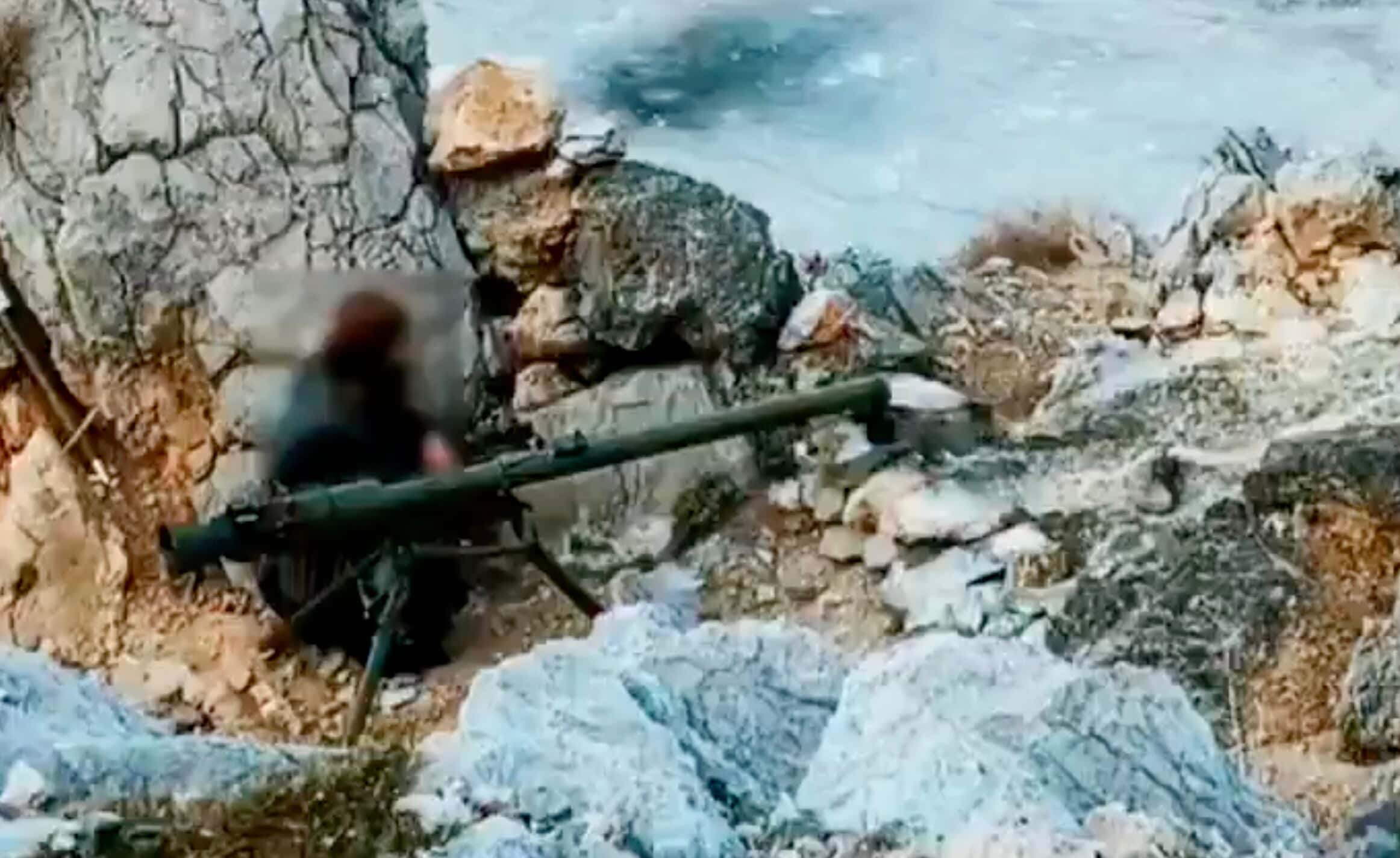
Pakistan's military has launched strikes against militant camps in Afghanistan linked to the Pakistani Taliban (TTP) and Islamic State–Khorasan Province (ISIS–K), stating the operations were conducted as retaliation for recent terrorist attacks in Islamabad, Bajaur, and Bannu. The developments highlight the ongoing cross-border security challenges between the two nations.
Retaliation Strikes in Afghanistan
According to Pakistani officials, the recent military strikes in Afghanistan were specifically conducted as retaliation for terrorist attacks that occurred in:
- Islamabad: The capital city suffered a significant terrorist attack
- Bajaur: A district in Khyber Pakhtunkhwa province experienced militant violence
- Bannu: Another city in Khyber Pakhtunkhwa that was targeted by terrorists
Pakistani officials stated they have "conclusive evidence" that the Tehrik-e-Taliban Pakistan (TTP) was behind the Islamabad attack, while Islamic State–Khorasan Province (ISIS–K) has also been implicated in regional terrorism.
Nature of the Operations
The Pakistani military described the operations as targeting:
- Militant camps and hideouts linked to TTP
- Facilities associated with ISIS–K
- Training sites and weapon storage areas used by terrorist groups
Officials said the strikes were conducted along the Pakistan–Afghanistan border, focusing on areas where militant groups are known to operate and launch cross-border attacks.
Attribution of Terrorist Attacks
There remains some disagreement over responsibility for the attacks:
- Islamic State (IS) claimed responsibility for the Islamabad attack through its propaganda channels
- Pakistani authorities maintain they have "conclusive evidence" that the TTP was behind the Islamabad bombing
- The distinction is significant as it affects Pakistan's response strategy and international counter-terrorism cooperation
Regional Security Context
These operations occur amid broader tensions between Pakistan and Afghanistan:
- Pakistan has long accused Afghanistan of providing safe haven to militant groups including the TTP
- The Durand Line border between the two nations remains poorly regulated, allowing militant groups to move freely
- Pakistan has historically conducted military operations along the border to target terrorist sanctuaries
- Afghanistan's Taliban government denies providing support to groups attacking Pakistan, creating diplomatic friction
Impact on Pakistan-Afghanistan Relations
The retaliatory strikes have further strained already tense relations:
- Afghanistan has condemned Pakistan's cross-border military operations as violations of sovereignty
- Pakistani officials argue the strikes are necessary self-defense measures against terrorist threats
- The exchanges threaten to undermine cooperation on border security and refugee management
- Both nations face domestic pressure to respond firmly to terrorist attacks on their territory
Broader Counter-Terrorism Efforts
The operations are part of Pakistan's broader counter-terrorism strategy that includes:
- Military operations along the western border with Afghanistan
- Intelligence-sharing efforts with international partners (though limited due to trust issues)
- Domestic crackdowns on terrorist networks within Pakistan
- Border fencing and surveillance projects to inhibit militant infiltration
Humanitarian and Stability Concerns
Analysts warn that continued cross-border military exchanges could:
- Disrupt civilian populations living in border areas
- Undermine humanitarian access to affected regions
- Complicate efforts to address the Afghan refugee situation in Pakistan
- Potentially draw in other regional actors with interests in Afghanistan's stability
As of April 13, 2026, Pakistan maintains that its operations in Afghanistan are necessary defensive measures against terrorist threats originating from across the border, while Afghanistan views such actions as violations of its sovereignty that exacerbate regional instability.